
In an extraordinary display of political maneuvering, Prime Minister Philip E. Davis, K.C., has executed what many are calling a dramatic reversal on his once-enthusiastic stance regarding commissions of inquiry. While in opposition, Davis fervently advocated for commissions of inquiry as a mechanism to expose the truth, promising their establishment upon taking office. However, nearly three years into his administration, not a single such inquiry has been convened, with Davis now dismissing them as “too expensive.” This shift raises questions about his motivations and the possible convenience of abandoning what was once a cornerstone of his political rhetoric.
Davis’s Promises in Opposition: Bold Words, Little Action
1. Calls for Accountability in Hurricane Dorian’s Aftermath (2020)
In June 2020, then-Opposition Leader Davis called for a commission of inquiry into the Minnis administration’s handling of Hurricane Dorian.
“I think we need an inquiry that is wider than this mandate (of a coroner’s inquest) as to what preparation was made in the pre-hurricane, what happened during the hurricane, and the post-hurricane recovery efforts,”; Davis declared, emphasizing the need for transparency.
– The implication was clear: uncovering what went wrong would help avoid future failures.
2. The Fight Against “Unjust Practices” (2019)
In December 2019, Davis explicitly promised to establish a commission of inquiry as soon as he came to office. His focus? Alleged misconduct in investigations targeting PLP politicians acquitted of bribery.
“As soon as I’m in power, I would establish a commission of inquiry to stamp out unjust practices and hold accountable anyone who was found responsible,” he pledged.
This, he said, would “purify the administration of criminal justice.”
3. 2012 Rallying Cry for Inquiry into Ingraham Administration.
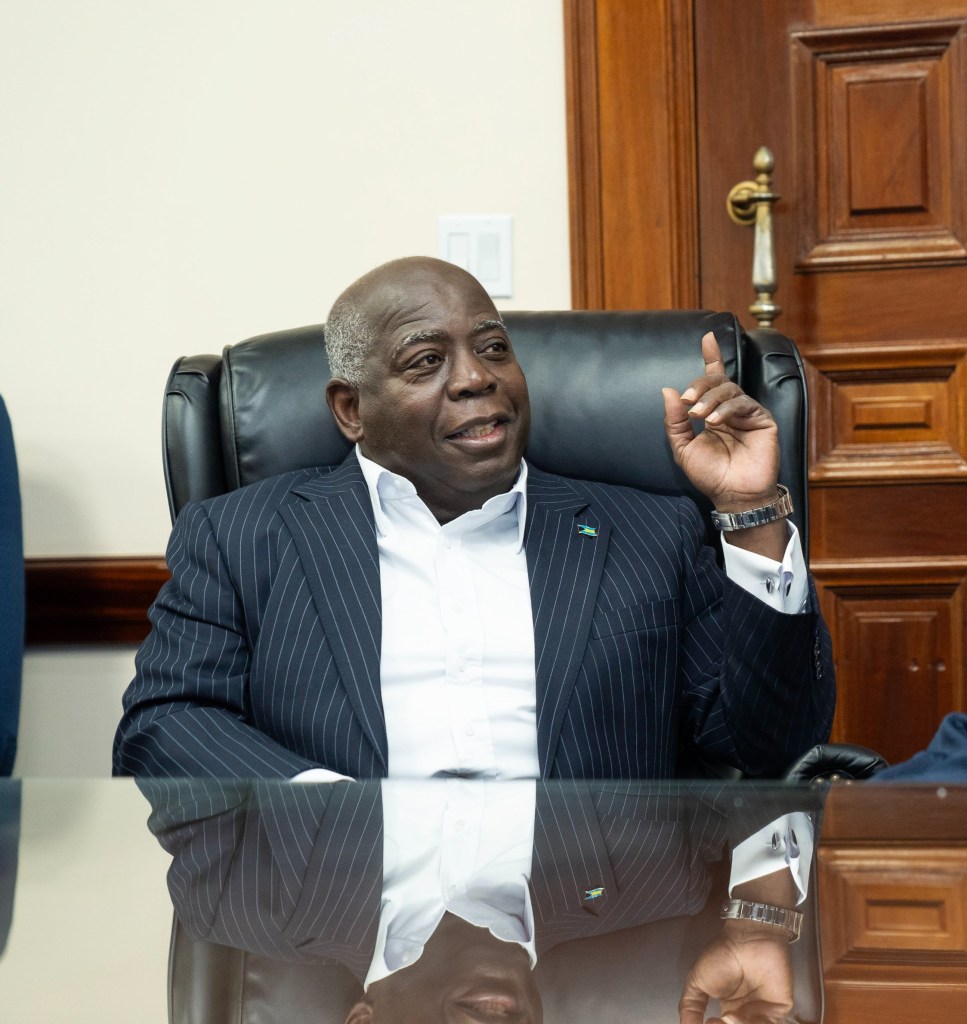
Davis’s history of demanding commissions dates back even further. During a rally in 2012, he vowed to establish a commission to probe the Ingraham administration’s alleged misconduct.
“I will give my support to the appointment within our first 100 days in office, a commission of inquiry to investigate the scandalous episodes of misconduct by the outgoing administration.”_
The Reversal: Too Expensive, Too Convenient?
Fast-forward to 2024, and the once-fiery advocate for commissions of inquiry has cooled significantly. Prime Minister Davis now dismisses such probes as prohibitively expensive.
“We’ve examined the commission of inquiries, and it is an extremely expensive exercise. At this time, we don’t have the resources to spend on such an inquiry. Our resources [are] needed to deal with [the] challenges of our people.”_
This stark contrast between his former rhetoric and current position is striking, especially given his previous advocacy during financially challenging times, such as 2020 when the country’s coffers were under similar strain.
Political Convenience or Genuine Concern?
Is Prime Minister Philip Davis latest actions simply hypocrisy in action?
Davis’s change of heart coincides with allegations of corruption within the police and defense forces. Critics argue that his newfound reluctance conveniently shields his administration from potential fallout.
A commission of inquiry might shine an uncomfortable spotlight on key government figures, a risk Davis appears unwilling to take.
The argument that inquiries are “too expensive” rings hollow to many. These commissions, proponents argue, serve as essential tools for transparency, justice, and the prevention of future misconduct.
Supporting Documentation: A Timeline of Contradictions
Date Event Davis’s Position
April 2012 – Called for inquiry into Ingraham administration’s actions – “Support within 100 days in office.”
December 2019 – Pledged inquiry into unjust investigations targeting PLPs – “As soon as I’m in power, I would establish a commission of inquiry.”
June 2020 – Demanded inquiry into Hurricane Dorian response – “You need a holistic investigation of what went on and what went wrong.”
December 2023 – Declined calls for inquiry into police and defense forces – “Extremely expensive exercise… Resources [are] needed to deal with [the] challenges.”
Prime Minister Philip Davis K.C.’s handling of the commission of inquiry issue is a textbook case of political expediency and can only be seen as a master class in political convenience. While he once championed these probes as critical tools for justice and accountability, his refusal to act now suggests a calculated effort to avoid scrutiny. The shift from bold promises to dismissive excuses not only undermines his credibility but also raises serious questions about his administration’s commitment to transparency.
Will the Bahamian people accept this reversal, or will they demand the accountability Davis once promised?
The Progressive Liberal Party fails for one reason, it is within their nature.
END
 My Morning Paper