
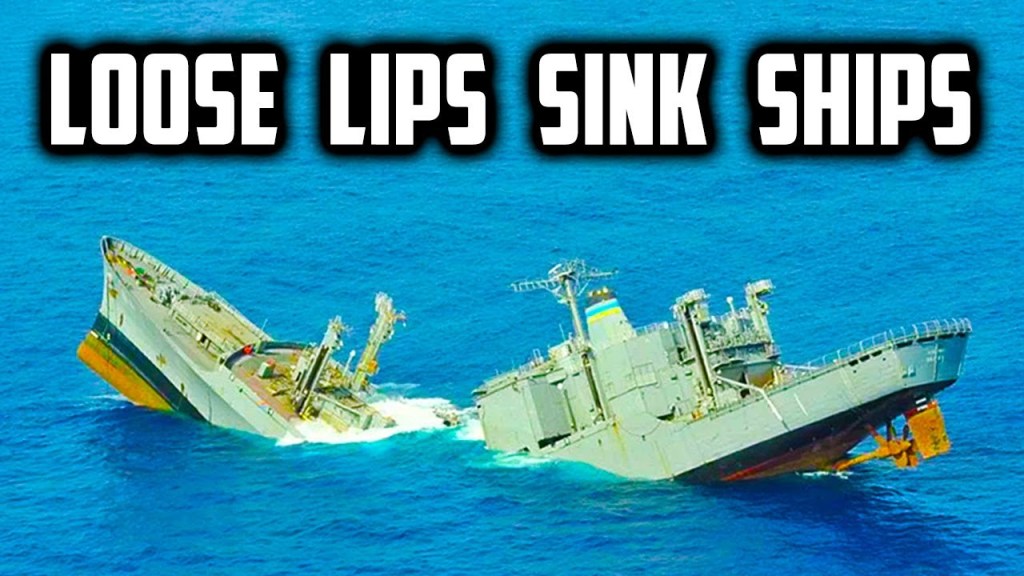
There’s an old naval saying: “Loose lips sink ships.” And today, those words may be more than a caution—they may be a mirror reflecting the uneasy waters Prime Minister Philip “Brave” Davis finds himself navigating.
This week, in a striking pivot, Prime Minister Davis responded to questions surrounding the high-profile indictment of Bahamian law enforcement officers in a U.S.-led cocaine trafficking probe. His claim? That the officers may have been entrapped.
“It appears officers were entrapped.”
— The Nassau Guardian, April 14, 2025
Prime Minister Davis told reporters that the operation “on the face of it appears to be an entrapment of officers,” a tone that stands in stark contrast to his fiery rhetoric from just five months ago. Then, Davis promised swift justice and sweeping reform in response to what he called a betrayal of public trust.
Let’s go back.
In November 2024, the U.S. Department of Justice unsealed a federal indictment implicating 13 individuals—11 Bahamians and 2 Colombians—in a transnational drug trafficking conspiracy. Among those indicted were:
- Chief Superintendent Elvis Curtis, former head of the Airport Division;
- Sergeant Prince Albert Symonette, Royal Bahamas Police Force (RBPF), now discharged;
- Chief Petty Officer Darrin Roker, Royal Bahamas Defence Force (RBDF), also discharged.
According to the indictment, Curtis allegedly told an undercover trafficker that a high-ranking Bahamian politician could authorize law enforcement support for cocaine shipments—for the price of $2 million. No politician was named.
Following this explosive claim, the Davis administration sent a diplomatic note to U.S. officials requesting further information, including the identity of the unnamed politician. As of yesterday, the Prime Minister confirmed the U.S. has not responded.
“Not a word,” Davis told the press.
And now, the Prime Minister raises the possibility of entrapment—a serious legal defense in which government agents induce someone to commit a crime they would not have committed otherwise.
This raises several crucial questions:
- Were Bahamian officers induced or tricked into participating in drug trafficking?
- If so, why did they allegedly ask for $2 million in exchange for political and police protection?
- Who is the unnamed Bahamian politician? What did they know—and when?
- Why has the Attorney General remained silent on this matter?
- And perhaps most concerning—why has the Prime Minister changed his tone so dramatically?
In November, Davis was resolute:
“We cannot wait—and we will not wait—for the outcomes of court proceedings in the United States… We will have change, we will have reform, and we will have action.”
He promised that “the tree will be shaken until every bad apple falls.” That tree seems quieter now.
Which leads us to a chilling possibility: Does the Prime Minister know more than he’s letting on? Or is he signaling that?
Either way, the narrative is shifting. The Bahamian public, like their Prime Minister, have been left without answers—diplomatic note unanswered, allegations unclarified, accountability uncertain.
In this vacuum, trust erodes. If the nation’s top law enforcement officers are accused of enabling narcotics trafficking, and political protection is offered like currency, the public deserves more than ambiguity. They deserve transparency.
Prime Minister Davis, frustrated by diplomatic silence, now finds himself in the same position the Bahamian public has long endured—waiting for answers from his administration.
And that brings us to the Progressive Liberal Party’s ongoing problem. It’s not just about scandal. It’s about silence. A silence that, like loose lips, can sink institutions.
End.
 My Morning Paper