
The old saying warns us not to envy the apparent prosperity of wrongdoers, because sometimes people begin believing that power itself is proof of righteousness. And perhaps nowhere is that lesson more fitting than in the modern political theatre of the Progressive Liberal Party (PLP), where controversy often seems less like a disqualification and more like an item on a résumé.
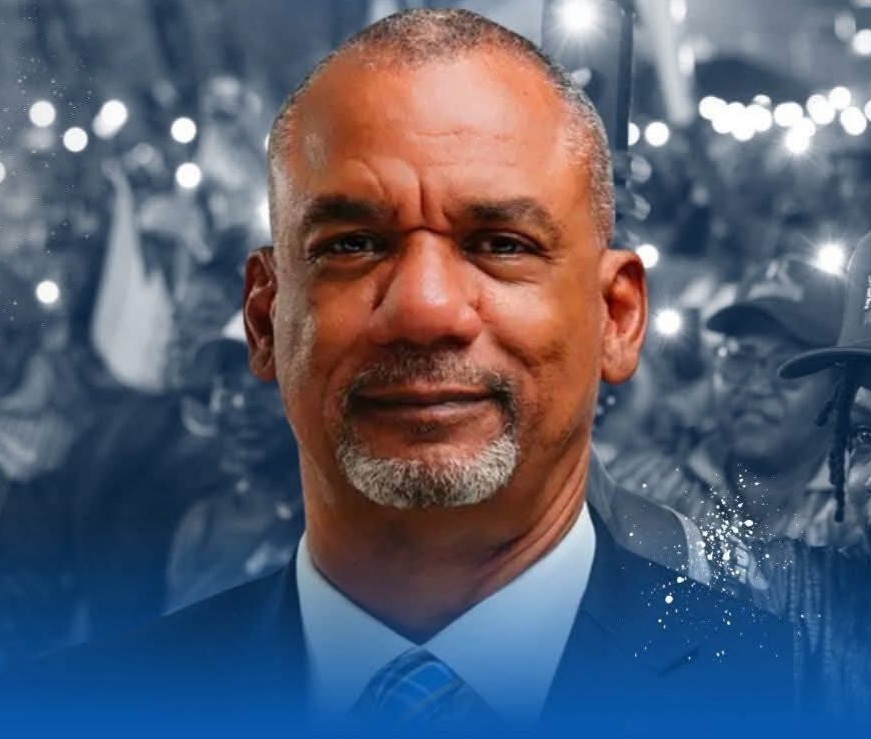
It is remarkable to now hear former PLP Cabinet Minister and Member of Parliament Jerome Fitzgerald spoken of as the supposed “architect” behind the PLP’s recent electoral success. In another era, one might think a political strategist’s legacy would be measured by vision, policy or national transformation. In today’s Bahamas, it seems surviving controversy may itself qualify as a special skill.
This, after all, is a political figure whose name became nationally associated with the Baha Mar email controversy, where private communications were dramatically read into the House of Assembly. Bahamians were left not only debating the content of the emails, but also asking the enduring question: how exactly did these private communications arrive in his possession? The explanation involving a “political garbage bin” may forever remain one of the more colourful additions to Bahamian political folklore.
Then came controversy surrounding contracts involving Bahamas Courier & Logistics and BPL, which raised questions and criticism regarding procurement and perceived political influence. No criminal findings emerged, but the public conversation around optics, favouritism and connections certainly had a life of its own.
There was also the dispute involving the disclosure of private information connected to Save The Bays — a matter that generated significant legal and public scrutiny and further fuelled criticism about the use of political power.
Yet critics argue the most troubling controversy was not about contracts or parliamentary theatrics, but concerns surrounding reports of fuel contamination affecting Marathon residents. Public concern centered around allegations that gasoline leakage had contaminated the water table and that residents suffered illnesses while questions lingered about transparency and the handling of information. For many residents and observers, the deepest frustration was not merely what happened, but whether those entrusted with protecting the public interest acted with enough urgency and openness. The concern voiced by critics was that political calculations appeared to overshadow public confidence.
Mr. Fitzgerald’s character seems to be son tarnished in certain circles that even when other allegations of wrongdoing surface in the PLP government, like the past Moorings deal in Exuma; his name is called.
And now, in the grand PLP tradition, figures wrapped in political controversy are not retired quietly into the sunset. No, they are often spoken of as master strategists, celebrated as heroes, and floated for further positions of influence. In Bahamian politics, controversy sometimes seems less like a scarlet letter and more like a stepping stone.
One almost begins to wonder whether in the PLP advancement system, the question is no longer: “What controversies followed you?” but rather: “How many did you survive?”
Is this what PROGRESS looks like?
END
 My Morning Paper